
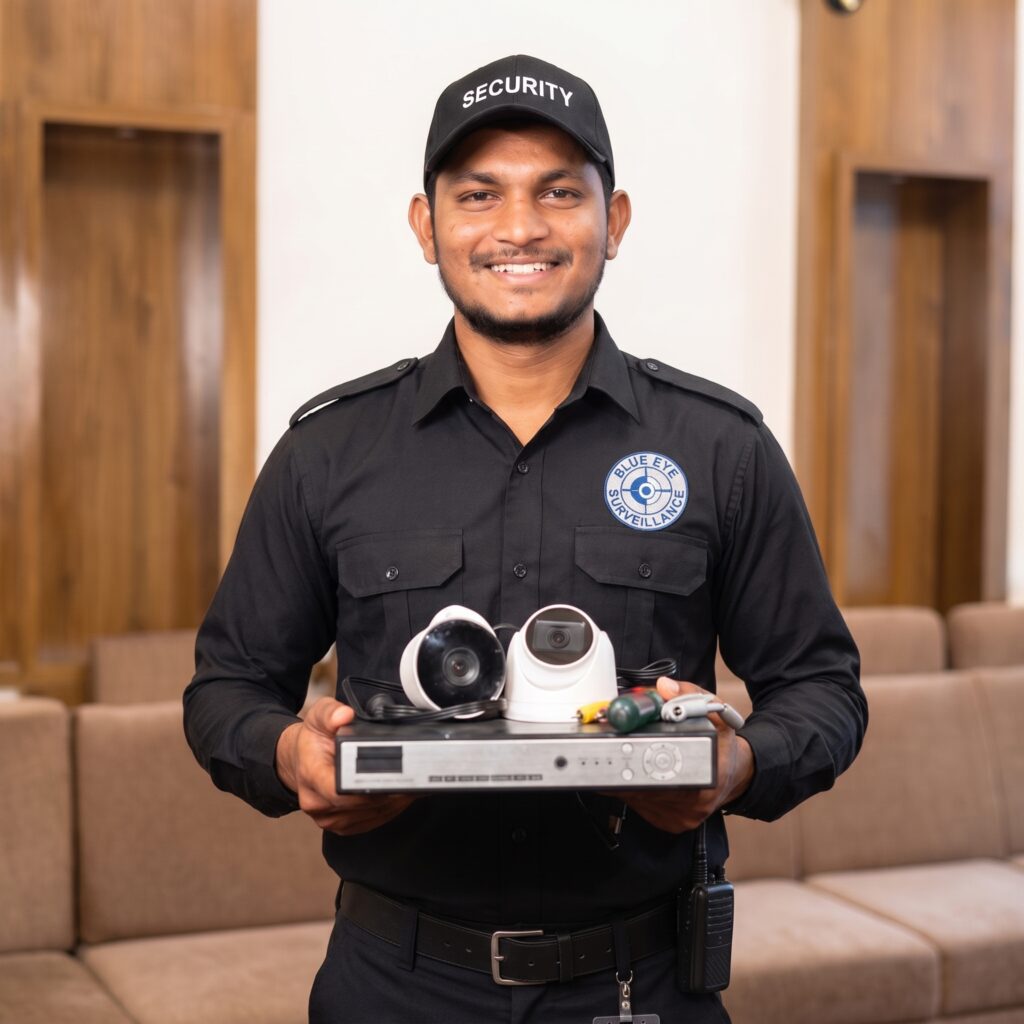
Blue Eye Surveillance installs and repairs CCTV cameras across homes, offices, shops, and factories in Thane. Whether you need a fresh setup, a broken camera fixed, or remote monitoring configured on your phone, the same technicians handle the job end to end — people who’ve been climbing ladders and running cables across Thane’s buildings long enough to know which setups actually hold up and which ones look good on paper.
Cameras go where they matter — the gate, the main door, the blind corner near the stairs — based on how your household actually moves through the space, not a standard template.
Entrances, work floors, server rooms, cash counters. Placement follows your office hours and staff traffic, not a generic checklist.
For properties where running cable is a hassle, or you'd just rather not have wires along the wall.
Network cameras give you sharper footage and phone access from anywhere, but only if the bandwidth and storage are set up right the first time.
Lens cleaning, cable checks, storage health, firmware updates — scheduled so problems get caught before they show up as missing footage.
Camera gone dark? Footage grainy? DVR throwing errors? These get diagnosed and fixed rather than just swapped out.
Blue Eye Surveillance brings years of installing and repairing CCTV systems across Thane, homes, offices, warehouses, shops, all of it, to every job. And once the cameras are up, they are still just a call away for servicing.
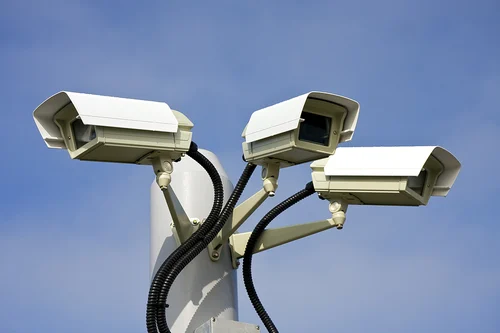
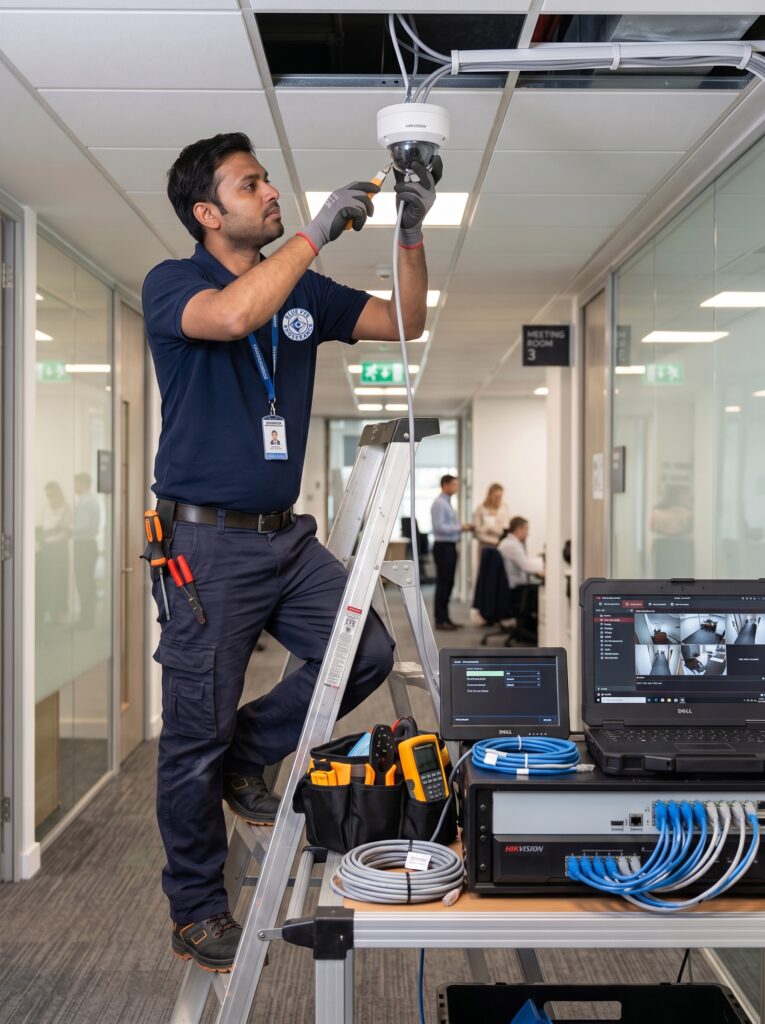
The team works with analog, IP, and wireless cameras, including 8-channel and larger setups for properties that need wider coverage. That includes indoor installs for homes and offices as well as outdoor cameras built to survive Thane’s heat, dust, and monsoon stretches without the footage going useless.
<br>Smart features — remote viewing, motion alerts, cloud or local storage — get added based on what a property actually needs, not whatever’s easiest to upsell. Every job starts with a walkthrough of the property to spot coverage gaps and figure out a camera count and placement plan that fits both the budget and the actual risk.
A technician walks the property, checks layout, lighting, and existing wiring, and works out what the setup actually needs.
Camera count and placement get finalized, along with whether cabling or a wireless setup makes more sense.
Cameras get mounted, wired, and tested — footage clarity, night vision, recording stability, all checked before the job's called done.
Servicing continues after installation, so the system keeps working the way it did on day one.
Homes and housing societies across Thane — gates, parking, common areas.
Entry points, floor coverage, access control for workplaces that need eyes on who's coming and going.
Stock rooms, loading bays, right out to the factory perimeter fence
Stock rooms, loading bays, right out to the factory perimeter fence
Gates, corridors, playgrounds — coverage built around keeping students safe.
Shops and showrooms where footage helps catch theft and track counter activity.
People stick with Blue Eye Surveillance because someone actually shows up when they say they will, explains what’s being installed and why in plain language, and doesn’t push a bigger system than the property needs. The technicians can handle a single home camera just as comfortably as a full commercial setup, and each job gets planned around the property in front of them, not a fixed package. And the relationship doesn’t end at installation — calls for servicing or changes down the line still get answered.
Honestly, it depends — camera type, how many you need, wired or wireless. There's no fixed number we can just throw at you here. A site visit sorts that out properly.
For most homes, dome cameras work well indoors and bullet cameras outside — get both with night vision and motion detection and you're covered
Yes — for properties where cabling isn't practical or you'd rather skip the wires altogether.
Yes. Recording to a DVR or NVR works fine without internet. You'll just need a connection if you want to check footage from your phone remotely.
Every three to six months is a good rhythm — enough to catch cable faults or storage issues before they start affecting your footage.
Yes, with placement planned around entry points, work floors, and sensitive spots like server rooms or cash counters.
WhatsApp us