
Your stock is disappearing. Not in one big incident, not usually — in small amounts, week after week, and nobody notices until the quarterly count comes back off by a number that doesn’t quite add up. A few units here, a few there. Whatever it is, it’s never one clean explanation.
If you run a retail store in Mumbai or Thane you’ve probably already felt this. So let’s skip the theory part.
Why Stores Keep Losing Stock Without Really Knowing Why
Stores are built open on purpose — walk in, browse, pick things up, feel comfortable doing it. Which is, well, also kind of the problem. Open layout means blind corners somewhere. Busy counter means the far aisle’s on nobody’s radar for a solid ten, fifteen minutes at a stretch. And staff can only face one direction. Physically. That’s not a training issue, that’s just how eyes work.
Some of what makes it worse:
- Nobody near the entrance during the busy stretch, say 6 to 8 pm
- Cashier’s head-down at billing, every transaction, no exceptions
- Small stuff — earphones, cosmetics, that one shelf of phone cases — sitting there basically unwatched
- Fitting rooms, no count-in count-out system, or one that used to exist and quietly stopped
- A weekend sale pulling in triple the usual crowd with the same two people on the floor
Doesn’t mean the store’s badly run. Gaps like these show up almost everywhere, honestly — the question is just whether anyone’s closing them.
The Ways People Actually Do It
Six or seven patterns cover most of it.
- Concealment — goes in a bag, a pocket, under a dupatta sometimes
- Distraction pairs — one keeps the cashier talking, other one moves
- Tag switching — a cheaper item’s tag ends up stuck on a pricier one
- Fitting room layering — wears it out under their own clothes
- Group entries — five, six walk in together and nobody can watch all of them at once, not really
- Fake returns — something gets “returned” that was never bought there in the first place
Staff who’ve actually seen this list stop eyeing every single customer and start catching the two or three behaviors that matter. Big difference, that.
Where the Risk Actually Sits
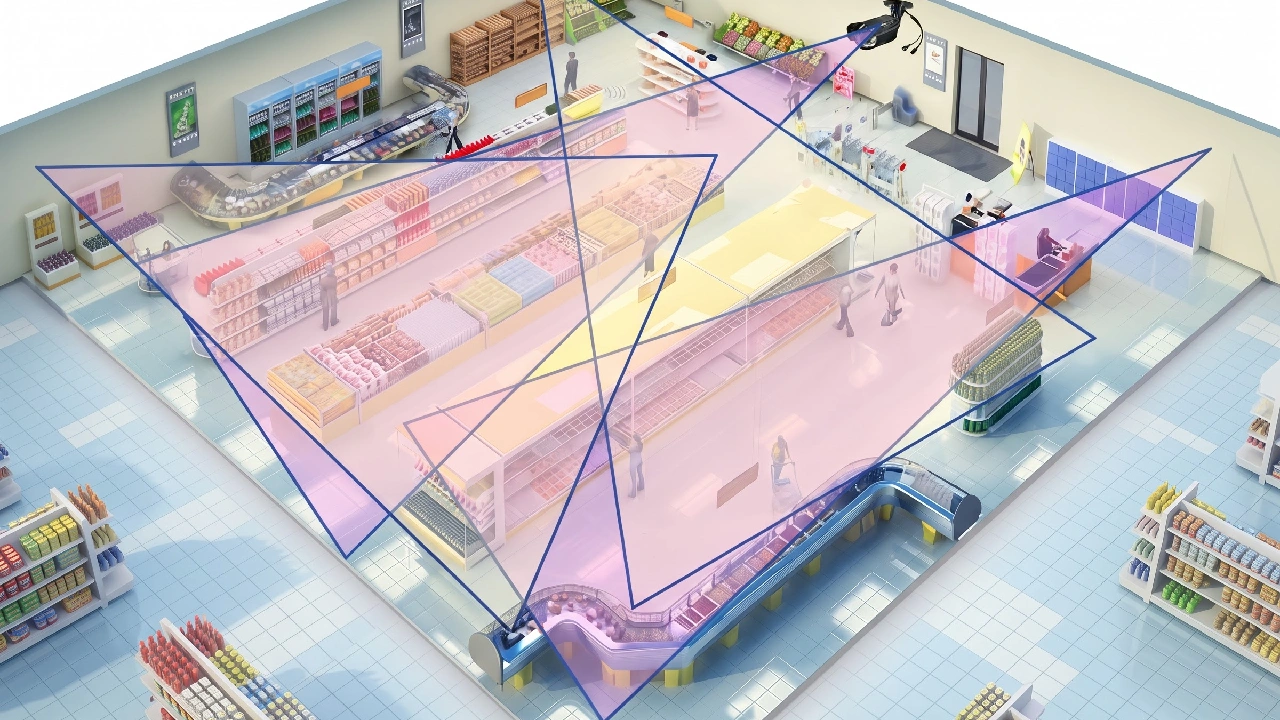
Not every corner carries equal weight.
| Store Zone | Why It’s Risky | What Helps |
| Entrance/Exit | Fast way out | Someone stationed there, clear line of sight |
| Fitting rooms | Nobody’s really watching | Item tags, an attendant who checks — actually checks |
| Blind aisle corners | Camera can’t see it, neither can staff | Convex mirror, or just move the shelf |
| Checkout counter | Cashier’s attention is split three ways | A second set of eyes nearby |
| Small high-value stock | Easy to pocket, fits in a fist | Locked case, security tags |
| Storage / back room | Staff-only, and unmonitored | Access log, occasional spot-check |
You don’t need to gut the place. One shelf moved. One mirror added. A camera shifted maybe a metre to the left — sounds small, adds up faster than most owners expect it to.
Cameras Only Do Their Job If They’re Actually Pointed Somewhere Useful
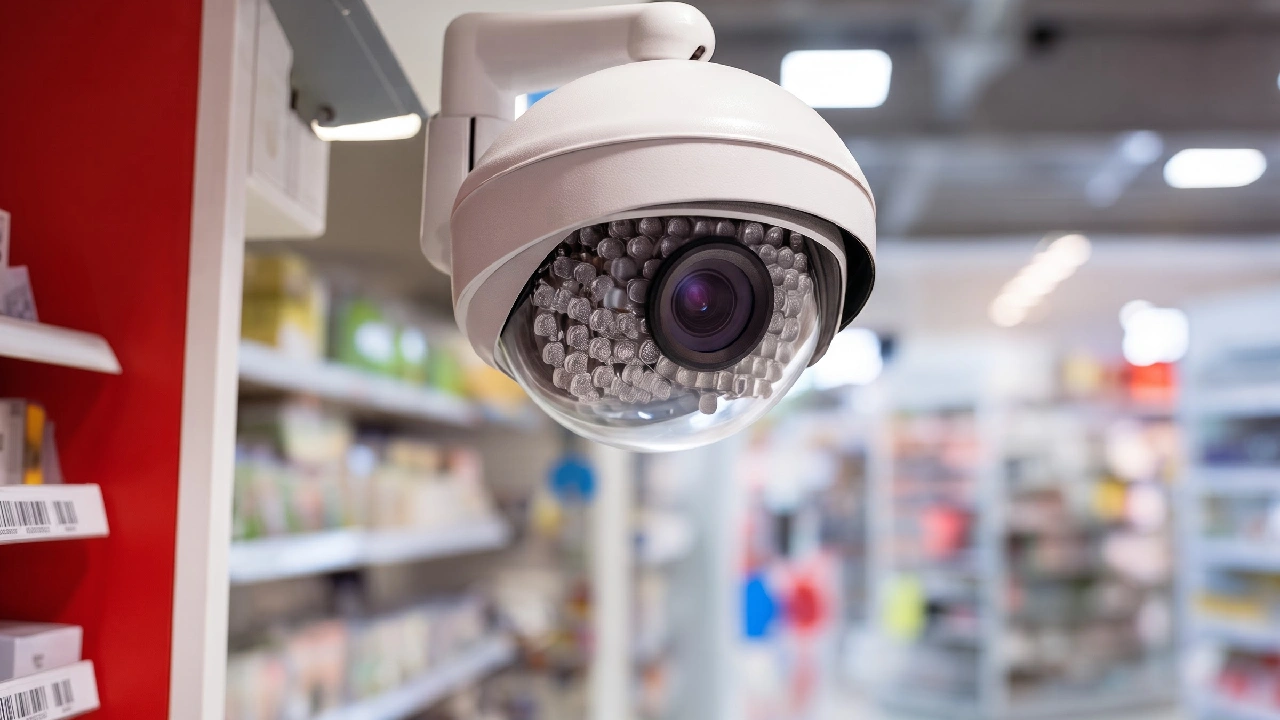
Nobody tells you this when you’re buying a CCTV package — having cameras isn’t the same thing as having coverage. Eight cameras, easy, and still missing the one aisle where it actually happens.
Worth checking, if you haven’t in a while:
- Entry and exit from two angles, not one
- One camera aimed straight at billing, not off to the side
- No dead zones behind the tall shelving — actually walk the floor and check, don’t just assume
- Fitting room entrances visible (not interiors, obviously)
- One camera somewhere shoppers can actually notice
That visible one does more work than people give it credit for. Someone clocks the lens pointed their way and — usually — just puts the item back. Doesn’t even think twice about it, most of the time.
Staff Notice Things Cameras Never Will
Circling the same rack four times. Won’t make eye contact near the door. Bag that’s oddly stiff for how it’s being carried. Cameras record all this, sure, technically, but they don’t flag anything — a person has to catch it.
Habits worth building in, if they’re not already there:
- Greet everyone who walks in, not because it’s polite exactly, more because it signals someone’s paying attention
- Stay in the aisles, don’t park at the counter the whole shift
- Heavy jacket in April — notice that, don’t ignore it
- Fitting room counts, every single time, no shortcuts even when it’s busy
- Flag anything odd to a supervisor. Never confront a customer directly — that’s not their call to make
Staff shouldn’t be the ones stepping in when something’s actually happening. That’s a different job.
This Is Where a Trained Guard Changes the Picture
A camera records. Staff notices things between other tasks, when they can. A guard’s entire shift is watching the floor — nothing else competing for their attention.
Put someone visible near the entrance and shopper behavior shifts almost immediately, most shoplifting being opportunistic in the first place. Bigger stores, multiple entries, sections billing staff simply can’t see from the counter — this is exactly where it matters more.
Beyond just being visible, trained personnel end up handling:
- Crowd flow during something like a Diwali sale weekend
- Catching distraction pairs before staff even register what’s happening
- Daily coordination with the manager — what to check, when, who’s covering what
- Actually staying calm if something does go wrong, not performing calm
Cameras Plus People. Not One Instead of the Other.
Stores that get real results rarely bet on just one thing. CCTV with nobody reviewing it is a record you check after the damage is done. Staff training without a visible presence — fine until the store gets busy, then the gaps show up fast. Security without decent camera coverage means no way to go back and actually see what happened.
Put all three together and you close more than any single piece manages alone. Cameras on the blind spots. Staff catching the patterns. A guard managing the floor in real time.
Before Your Next Sale Season
Run through this properly, not just skim it:
- Every high-risk zone — actually on camera, or just near one?
- Fitting rooms — count-in, count-out, working the way it’s supposed to?
- Has staff heard about these patterns recently, or was the last briefing two years back?
- An actual reporting process, or does everyone just tell the manager and hope it sticks somewhere?
- Visible security during the busiest hours — or only once something’s already gone wrong?
You won’t catch every attempt. Nobody does, not even the biggest chains with the biggest budgets.
For retail businesses in Mumbai wanting that gap closed properly, Security Guard Services can be shaped around a store’s layout, footfall, and peak hours.