
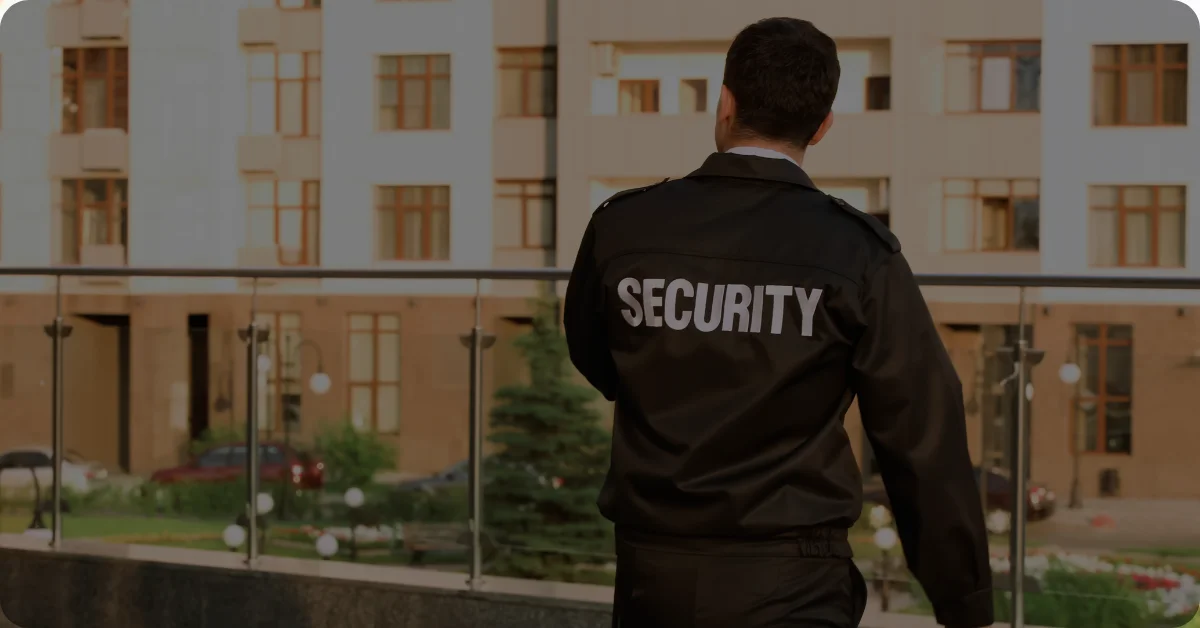
Ask anyone who’s worked a security shift and they’ll tell you the same thing: the standing around is the least of it. People walk past the guard at the gate and figure the job is just being there. It isn’t. So much of it happens where nobody’s watching. A guard is doing the rounds after the building empties out. Scribbling something in a log at two in the morning. Sensing that a situation is about to go wrong a second or two before it actually does.
Let me walk you through what the role really involves. Not the tidy list on a job ad, but how a shift honestly plays out, and why that should matter to you if you’re the one signing off on the hire.
What Does a Security Guard Actually Do?
At heart it’s one job. A guard keeps people, property, and information safe from whatever might threaten them. Actually living up to that is where the day fills up.
A lot depends on where they’re posted. Put a guard on a construction site and the whole game is stopping material from disappearing overnight. Sit one at a corporate reception and it becomes about faces and appointments, who belongs and who’s just wandered in. Send one to a crowded event and suddenly it’s about keeping people moving and being ready the second something goes wrong. The postings look nothing alike. The instincts behind them are almost identical.
Core Duties and Responsibilities of a Security Guard
1. Access Control and Visitor Management
This is the part most people picture, and it carries more weight than it looks. It mostly comes down to knowing who belongs. The expected ones get a pass and go through; anyone who doesn’t add up gets stopped at the door. And since every entry’s written down, you can always see who was inside and when. That log has a way of mattering later.
2. Patrolling the Premises
Cameras are useful, but they only ever look where you pointed them. A guard walking the site fills the blind spots. On a round they’ll find the door someone forgot to lock, the fence with a gap in it, the fire risk nobody flagged, the person loitering somewhere they’ve no reason to be. There’s a bonus here too. A guard who’s clearly out and about is a warning in himself, because most opportunistic crime happens where it looks like nobody’s watching.
3. Monitoring Surveillance and Alarm Systems
Plenty of the job now happens in front of a bank of screens. Guards keep watch on CCTV feeds, jump on alarm triggers, and run the access systems from a control room. Watching the screens is easy. The skill is knowing your site so well that something off jumps out, and acting on it before you second-guess.
4. Observing and Reporting
Honestly, a good chunk of a guard’s worth is just paying close attention. The car that’s been parked a little too long. The same face turning up near a restricted door twice in an hour. The gate that’s meant to be shut and isn’t. Spotting these and passing them up the line is how incidents get stopped while they’re still small. It’s quiet work, and it’s some of the most valuable a guard does.
5. Responding to Emergencies
A fire. Someone collapsing. A break-in. A fight that flares up out of nowhere. Whatever the crisis, the guard is nearly always the one already standing there when it hits. And a lot rides on what they do next. They sound the alarm and get people clear. They step in with first aid if they’ve had the training. Then they hold the situation steady until the police or paramedics show up. Not glamorous. Occasionally the difference between a bad day and a disaster.
6. Enforcing Rules and Regulations
Every property has its own rules, and someone has to hold the line on them. Nobody parked where they shouldn’t be. Nobody wanders into an off-limits area. And safety rules people actually follow, not just nod at. That takes a bit of nerve. You need people to take you seriously, but push too hard and a quick word turns into a shouting match.
7. Maintaining Records and Reports
Paperwork sounds like the boring end of the job, right up until you need it. There’s the patrol log to fill in and the visitor register to keep.Then there are incident reports when something happens, plus notes for the next guard coming on. Feels like busywork, sure. Then a claim gets messy, or a fight ends up in court, and that log is the only proof of what actually happened.
8. Customer Service and Assistance
Half the time the guard is the only staff near the entrance, so they’re who people ask when they can’t find the meeting room or which lift to take. It rarely makes the job spec, but a guard who handles that well leaves visitors with a good first impression of the place. A rude or clueless one does the opposite.
Skills and Qualities Every Good Security Guard Needs
The duties tell you what the job is. These tell you whether someone’s any good at it:
- Alertness. Holding focus through the long, dull stretches and still catching the small stuff.
- Physical fitness. Patrolling, staying on their feet for hours, moving fast when it counts.
- Clear communication. Reporting things straight, and talking a heated moment back down.
- Integrity. The role hands you access and trust, and neither can be abused.
- A steady head. Making a sensible call in a crisis instead of freezing.
That’s exactly why trained personnel from a proper security guard service in Mumbai get screened and prepped for these traits in the first place. It’s the whole difference between a body at a post and someone genuinely holding it down.
How Duties Change Across Different Settings
The core responsibilities stay the same, but they wear a different face depending on where the guard ends up:
- Residential complexes lean on visitor screening, parking, and patrols at all hours.
- Corporate offices are about access control, reception support, and protecting company assets.
- Retail and malls need theft prevention, crowd monitoring, and a helpful presence on the floor.
- Events come down to crowd control, entry checks, and emergency readiness, which is usually why they’re handled by dedicated event security services.
- Construction sites are mostly about guarding material and equipment once everyone’s clocked off.
Figure out the setting and matching the right guard to the actual risk gets a lot easier.
Why Clear Duties Matter for Employers
Give a guard a clear picture of what’s expected and two things improve: they do the job better, and you’ve got something to hold them to. Fuzzy instructions are where the gaps creep in, the gate nobody locked, the visitor nobody wrote down, the hazard everyone assumed someone else would handle. A well-briefed guard working off a proper duty list actually protects the place, and gives you a real yardstick to judge the work by.
Conclusion
So the job is a lot more than standing by a gate. The best guards notice trouble before it grows and keep records you can actually lean on later. If you’re the one hiring, that’s the real thing to look for, not just a body to fill the shift. Get the right person and you rarely think about security at all. Get the wrong one, and you usually find out the hard way.
Frequently Asked Questions
- What are the main duties of a security guard?
At its core the job is two things: control who gets onto the site, and stay alert once they’re on it. Day to day that plays out as patrolling, watching the CCTV, and moving quickly if an alarm or an emergency goes off. A guard also holds people to the site rules and notes down anything worth a record, so there’s always a trail to check later.
- Is a security guard responsible for making arrests?
Usually not. A guard’s job is to deter, observe, and report. They can briefly detain someone in specific situations, but the actual arrest is police work, and calling them promptly is part of the role.
- What skills make a good security guard?
A good one stays alert, keeps fit, and communicates clearly. Just as important, they hold onto their integrity and keep a cool head when things get tense, with solid training underneath all of it. That mix is what really sets a dependable guard apart from an average one.
- Do security guards need to write reports?
Yes, and more than you’d expect. On a normal shift a guard writes up patrol logs and handover notes, and files a proper report whenever something actually happens. It sounds like admin until there’s a dispute or an insurance claim, and suddenly that paperwork is the only clear account of what went on.
- How do a security guard’s duties differ by location?
They shift with the setting. A residential guard focuses on visitor screening and patrols, a corporate guard on access control, a retail guard on theft prevention, and an event guard on crowd control and emergency readiness.